As a farmer or garden enthusiast, you know that watering is one of the most important things you can do for your plants. But did you know that under watering can be just as damaging as over watering? In this post, we’ll explore the dangers of under watering and share some tips on how to prevent it.
Under watering occurs when plants don’t receive enough water to meet their needs. This can happen for a variety of reasons, including dry weather, lack of rainfall, or improper watering techniques. When plants are under watered, they become stressed and can’t function properly. Leaves may wilt and turn yellow or brown, and fruit and vegetable production may be reduced.
So what can you do to prevent under watering? Here are a few tips:
- Water regularly.
The most important thing you can do to prevent under watering is to water your plants regularly. Most plants require about 1 inch of water per week, but this can vary depending on the weather and the type of plant. Make sure to water your plants deeply and thoroughly, and avoid watering too frequently. This will encourage deep root growth and help your plants tolerate dry conditions better.
- Use the right watering techniques.
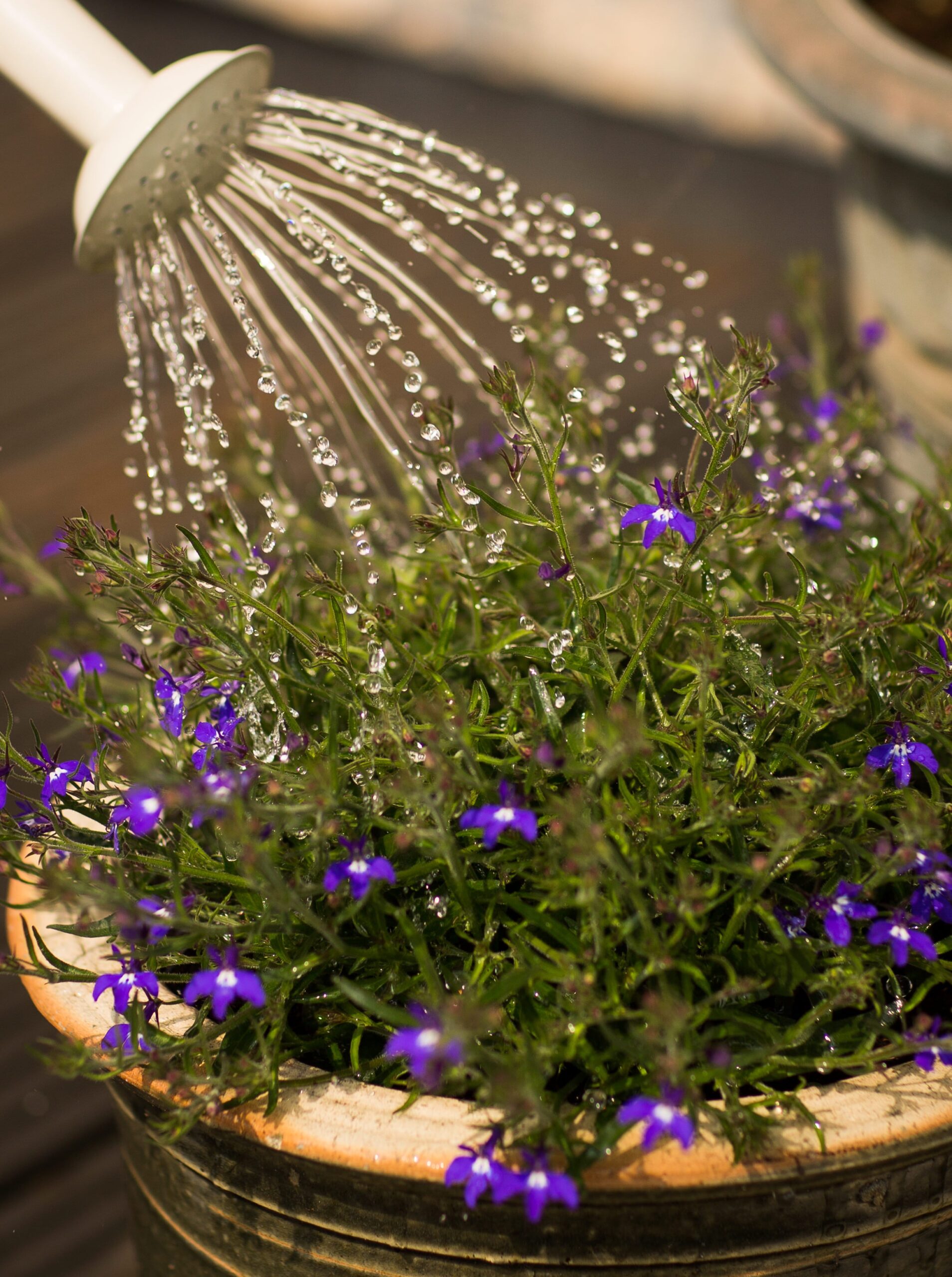
Proper watering techniques are essential for preventing under watering. Water your plants at the base, rather than from above, to prevent water from evaporating before it reaches the roots. Use a watering can, hose, or drip irrigation system to ensure that water is delivered directly to the soil. And make sure to water in the morning or evening, when temperatures are cooler and water is less likely to evaporate.
- Check the soil moisture.
One of the easiest ways to prevent under watering is to check the soil moisture regularly. Stick your finger into the soil up to the second knuckle. If the soil feels dry at this depth, it’s time to water your plants. You can also use a moisture meter to check the soil moisture level more accurately.
- Use organic pest control methods.
Under watering can also lead to increased pest and disease problems. When plants are stressed, they become more vulnerable to pests and diseases. To prevent these issues, use organic pest control methods like companion planting, crop rotation, and using insect-repelling plants like marigolds. You can also use organic pesticides like Tron Pyrethrum 50% to control pests and diseases without harming beneficial insects.
In conclusion, under watering can be just as damaging as over watering, so it’s important to make sure your plants receive enough water to thrive. Water your plants regularly, use proper watering techniques, check the soil moisture regularly, and use organic pest control methods to prevent under watering and its consequences. By following these tips, you’ll be well on your way to growing a healthy, bountiful garden.
One thought on “Under Watering: What is, how to avoid, and why it matters?”